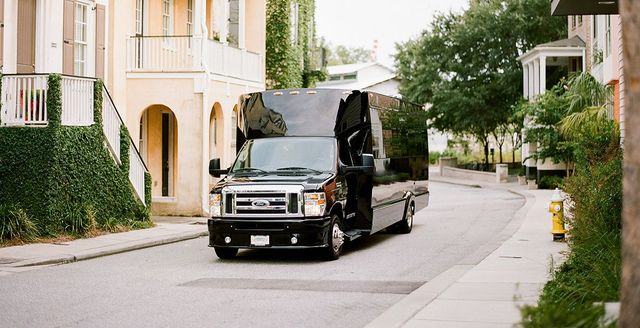
Planning transportation for a group event can feel overwhelming, especially when timing, comfort, and coordination all need to align perfectly. Regardless of whether the event is work-related, social, or festive, how guests travel impacts their overall perception. A well-organized plan helps reduce stress, keeps everyone on schedule, and creates a sense of ease for attendees. Moving guests efficiently requires careful planning to copyright the event’s flow and tone. Seamless planning lets guests enjoy the occasion without distraction from transportation challenges. Well-planned travel becomes an integrated element of the event.
Lowcountry Valet understands how critical details influence successful event logistics. Years of coordinating group movements have shown that preparation, communication, and flexibility are key elements in delivering a polished experience. Group transportation should feel effortless to guests, even though it requires careful behind-the-scenes planning. Planning for anticipated needs keeps the schedule flowing and exceeds guest expectations. Well-organized transportation supports the ambiance and overall feel of the occasion. These tips guide hosts in orchestrating efficient, enjoyable events that guests remember.
Understanding the Scope of Your Event
Successful transportation planning starts with a clear understanding of the occasion. Identify the guest count, event style, and complete agenda. Different events have different transportation needs, and clarity at this stage helps prevent complications later. Timing preferences, anticipated arrivals, and departures are critical factors. By clearly outlining these factors early, transportation can be aligned with the event’s flow rather than becoming an afterthought. Documenting the full picture establishes a foundation for seamless logistics.
Focus on the atmosphere and quality of travel for attendees. Travel can influence first impressions and set expectations for the celebration. Knowing the tone—sophisticated or casual—guides vehicle choices and timing. Size is one factor, but timing, stops, and itineraries also impact planning. Detailed mapping prevents any attendee from being neglected. This level of awareness keeps transportation aligned with the event’s purpose and energy.
Developing a Structured Travel Schedule
A structured schedule ensures travel remains organized. Defining arrival and departure times supports order yet accommodates flexibility. The schedule must align with the program and consider moving between sites. When transportation is synchronized with the schedule, guests experience fewer delays and smoother transitions. Planning buffer time between movements reduces stress and helps accommodate unexpected changes. A thoughtful timeline keeps the entire group moving together without feeling rushed.
Clear communication is key to implementing a timeline successfully. Everyone involved should understand where they need to be and when transportation will arrive. Transparency avoids misunderstandings and missed transfers. A well-communicated plan allows guests to relax, knowing their transportation has been thoughtfully arranged. Drivers and staff rely on the plan to maintain efficiency. When everyone operates from the same plan, logistics feel seamless and organized.
Choosing Appropriate Transportation for the Group
Selecting the right cars or buses determines the effectiveness of group travel. The size of the group, the length of the journey, and the desired level of comfort all influence this decision. Sufficient seating and legroom promote comfort for all attendees. Amenities inside vehicles enhance the travel experience. Selecting vehicles that match the tone of the event reinforces consistency and professionalism. Appropriate vehicles elevate the group travel experience.
Beyond capacity and comfort, accessibility and ease of entry should be considered. Group transportation often includes guests with varying needs, making thoughtful planning essential. Easy entry and exit prevent delays and reduce stress. Uniform vehicle style reinforces professionalism. Consistent vehicle presentation contributes to a seamless experience. Attention to these details reflects a commitment to guest satisfaction.
Overseeing Expert Drivers and Support Teams
Professional chauffeurs are central to executing smooth group transportation logistics. Their experience allows them to anticipate challenges and adapt quickly when conditions change. Effective communication ensures drivers are aligned with timing and guest needs. At this stage, Lowcountry Valet integrates detailed planning with skilled service to maintain a calm and organized flow throughout the event. Professionalism behind the wheel contributes to punctuality, safety, and overall guest comfort. Effective teamwork fosters confidence for everyone involved.
Operational support ensures reliability throughout the event. Continuous updates among staff and drivers allow quick corrections. Being flexible allows the schedule to stay intact despite unexpected shifts. When chauffeurs are well-informed, they can provide a reassuring presence for guests. Preparedness and adaptability maintain consistent, smooth transportation. This method ensures reliability and reinforces a pleasant guest journey.
Coordinating Attendee Information Efficiently
Clear communication with guests is essential for successful group transportation. Sharing concise directions allows participants to arrive prepared. When details are shared in advance, guests arrive prepared and confident. Uniform communication minimizes confusion and inquiries. Guidelines should be direct but comprehensive, covering all key logistics. Well-informed guests contribute to smoother logistics overall.
Updating guests prior to the event improves alignment. Notifications keep all attendees on schedule. Advance updates reflect thorough coordination and preparation. Attendees value straightforward guidance during group transit. Clear more info messaging builds confidence and collaboration among guests. Guided participants allow logistics to function seamlessly.
Planning for Flexibility and Unexpected Changes
Unexpected developments can occur despite thorough preparation. Flexible planning lets the event proceed seamlessly during minor adjustments. Scheduling extra minutes helps maintain calm when changes occur. Being prepared for obstacles ensures smooth solutions. Responsive logistics keep transportation consistent despite changes. Being flexible is key to professional event management.
Being ready involves defined steps for unexpected issues. Defined communication methods reduce disruption during changes. A flexible plan supports continuity and keeps guests comfortable. Transportation should feel steady and reliable, even when the plan evolves. Maintaining stability reflects high event standards. Well-handled transport improves overall event enjoyment.
Maximizing the Impact of Transportation on Events
Group transportation plays a significant role in shaping the overall event experience. Seamless travel creates a welcoming atmosphere and enhances event value. Well-executed travel improves overall guest experience. Travel must integrate naturally into the event rather than feel separate. Coordinated travel enhances the flow and tone of the event. Thoughtful planning elevates the entire experience.
At the conclusion, group travel contributes to a memorable ending. Smooth send-offs leave a favorable final impression. Lowcountry Valet maintains the same quality for departures as arrivals for a cohesive experience. Participants notice and enjoy a polished exit process. Careful coordination underscores the importance of professional travel management. A thoughtfully managed exit finalizes the occasion efficiently and comfortably.